An Environmental Approach to Interior Architecture
Wellness Design Principles
The body continuously reads its surroundings.Design must reduce systemic stress before adding aesthetic layers.
Light spectrum, air composition, acoustics, materials, and electromagnetic exposure influence physiology long before conscious awareness. Design must reduce systemic stress before adding aesthetic layers.
Four Principles
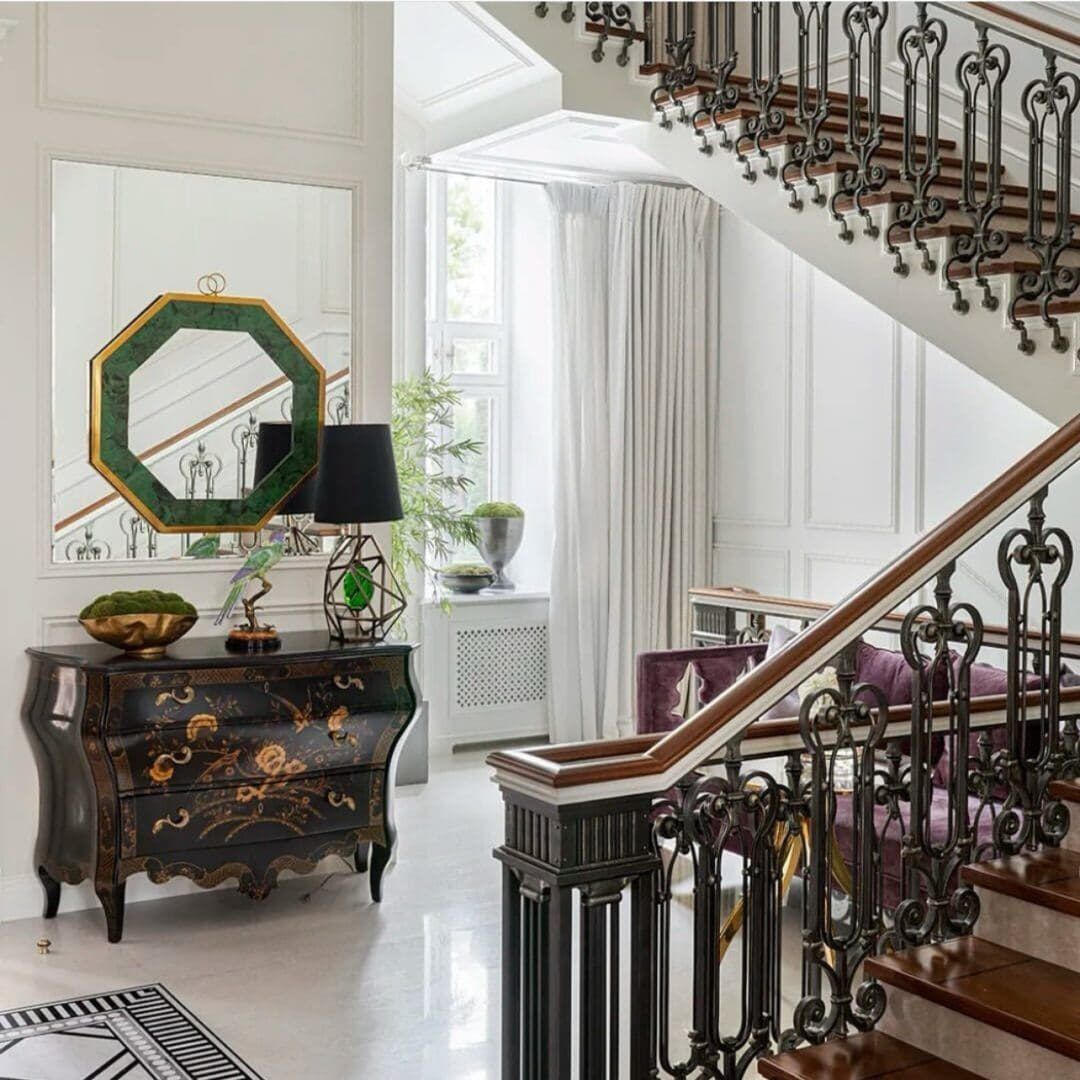
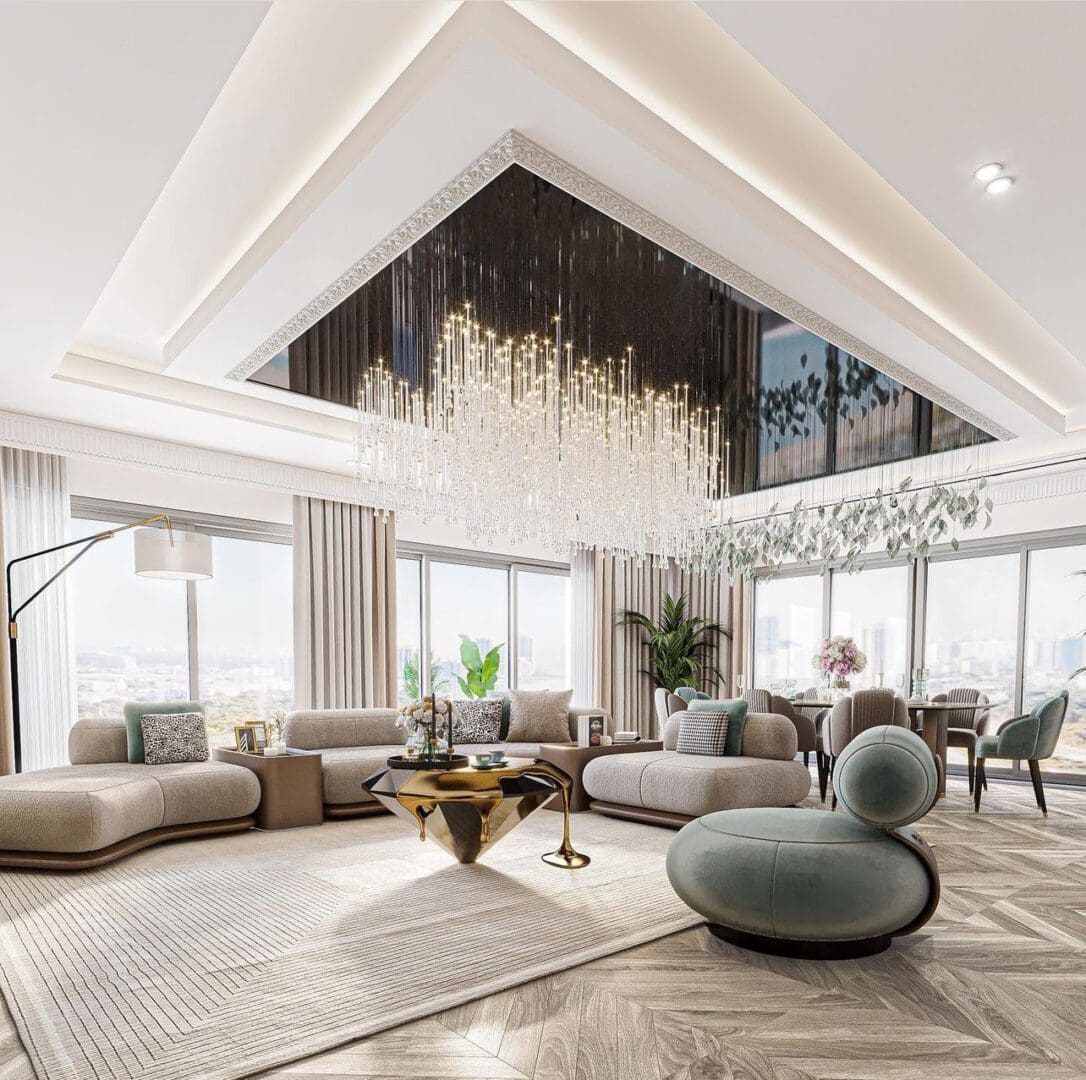
Circadian Alignment
Artificial light must follow the rhythm of the sun. Morning brightness. Evening warmth. Darkness when the body requires it. The light spectrum at any given hour communicates directly with the body's hormonal and neurological systems. This is not optional enhancement — it is environmental honesty.
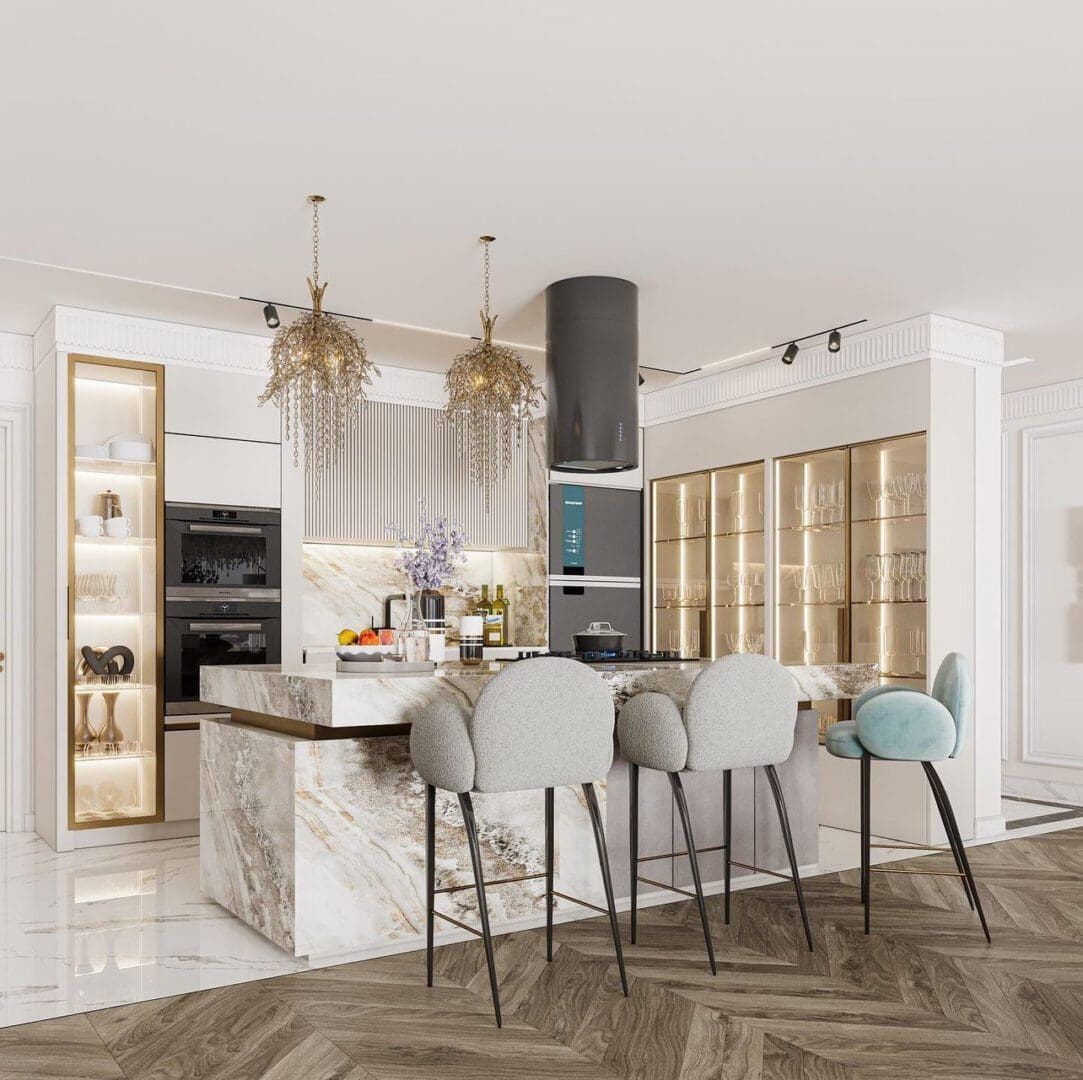
Environmental Purity
Air is infrastructure. Oxygenation, filtration, and humidity control are baseline requirements. Silence is part of the system. A properly managed indoor environment continuously renews itself — through mechanical means, natural materials, and passive systems working in concert.
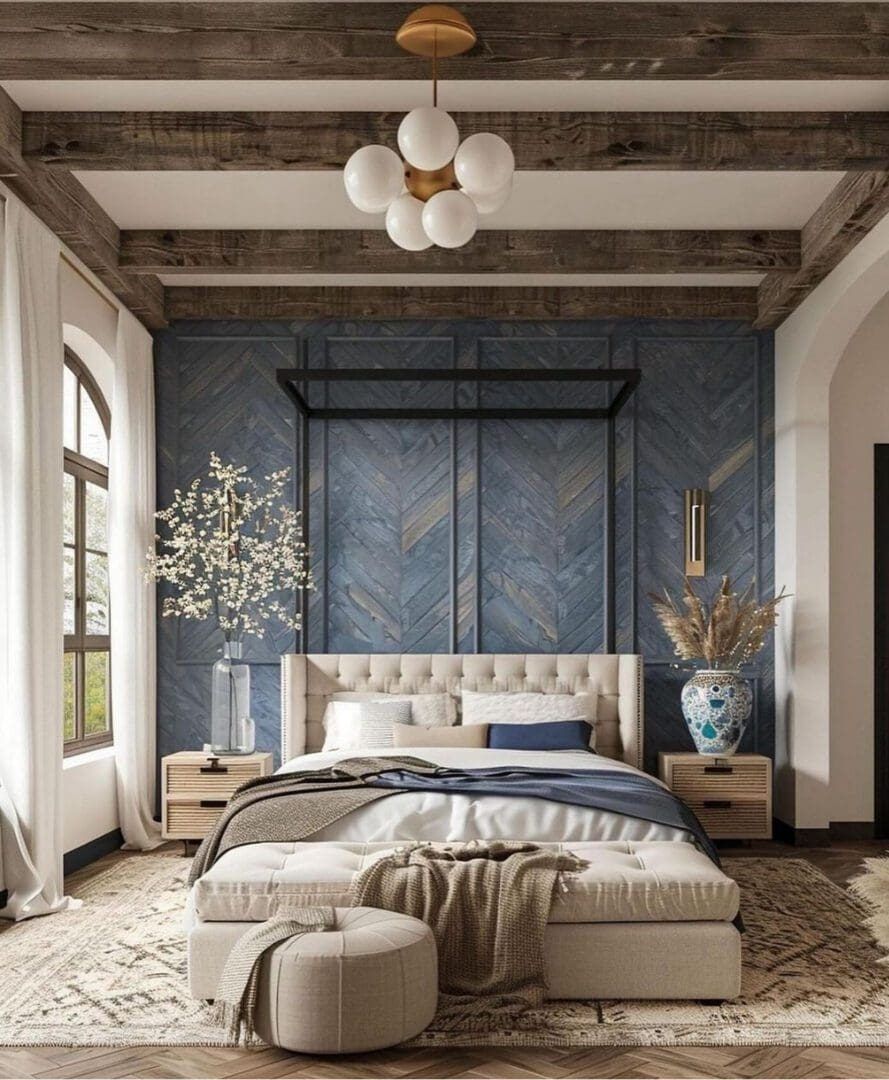
Silence as Architecture
Hard surfaces amplify stress. Layered absorption restores calm. Acoustic discipline is rarely visible — it is felt. Background noise elevates baseline cortisol without conscious awareness. The removal of acoustic interference is one of the highest-impact interventions in wellness design.
Exposure Awareness
Wireless saturation is a modern reality. Strategic placement, shielding, and grounding create restorative environments. Bedrooms and recovery spaces must be designed as zones of minimal electromagnetic interference — not because of fear, but because biology responds to its absence.
The Difference
"Anyone can select finishes. Anyone can specify furniture. It takes judgement to design an environment that supports biology, neutralizes modern interference, and creates genuine sanctuary."
The highest level of wellness design is not seen. It is felt at night. In deeper sleep. In steadier mood. In the absence of irritation you did not realize was there.
This is The Quiet Luxury.
Frequently Asked Questions
Questions about wellness design principles, light, acoustics, and how BHLI applies them globally.
What are the core principles of wellness interior design?
The four foundations are circadian alignment (light that follows the sun's rhythm), environmental purity (air quality as infrastructure), acoustic discipline (silence as a design material), and exposure awareness (grounding and EMF management).
Why does light matter so much in wellness design?
Light is the primary regulator of the human circadian system. Incorrect light spectra at the wrong times disrupt sleep, hormone production, and mood. Wellness design specifies light that supports biological rhythm.
What is acoustic wellness design?
Acoustic wellness design uses material layering, surface geometry, and absorption to reduce background stress levels. Hard surfaces amplify cortisol responses; layered acoustic environments restore nervous system regulation.
How do you measure the success of wellness design?
By the quality of sleep, the reduction in baseline stress, the clarity of thought, and the overall sense of restoration the space provides. Not by visible features.
Does BHLI design wellness spaces internationally?
Yes. Beverly Hills Luxury Interiors designs wellness-integrated interiors for private clients across the UAE, Saudi Arabia, Qatar, Kuwait, UK, Monaco, and all global markets.
Begin a Consultation
Every project begins with a conversation about the environment you inhabit and the environment you require.
Begin a ConsultationPrivate Consultation
DESIGN A LEGACY. START HERE.
All consultations are confidential. We respond within 24 hours.