Health, Wellness, Biohacking, and Environmental Discipline
The Quiet Luxury
A home is not decor. It is a biological field.The Quiet Luxury is not decoration. It is environmental discipline.
A home is not décor. It is a biological field. The body does not merely occupy space, it synchronizes to it. Heart rate, sleep cycles, inflammation, mood, and clarity all respond to the environment long before taste does.
Luxury was never meant to make you sick.
The Biological Field of the Home
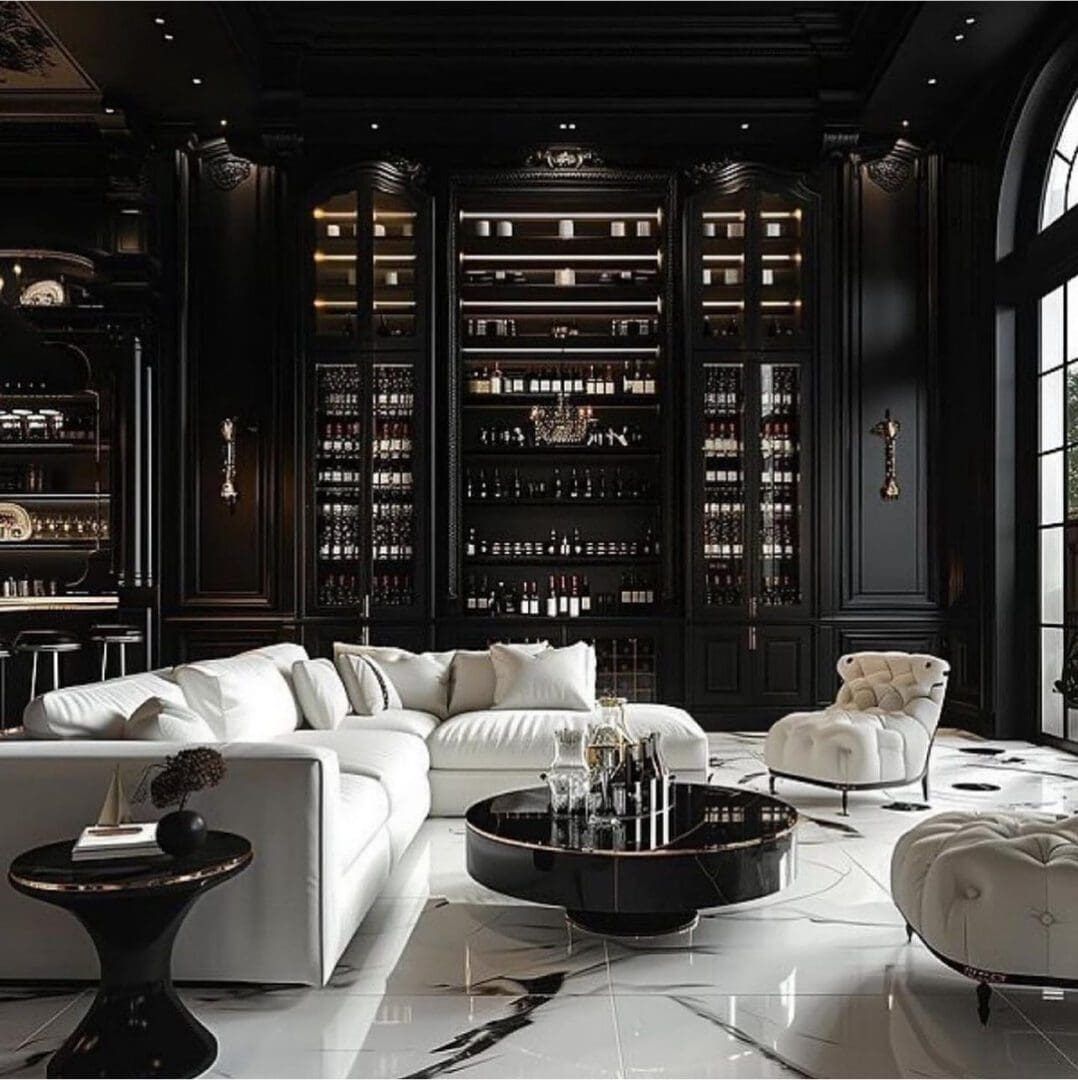
True wellness design begins beneath the surface. The nervous system is constantly reading the environment — light spectrum, materials, electrical load.
Design that respects biology reduces interference first. It lowers baseline stress instead of masking it.
Regulation precedes aesthetics.
Grounding as Foundation
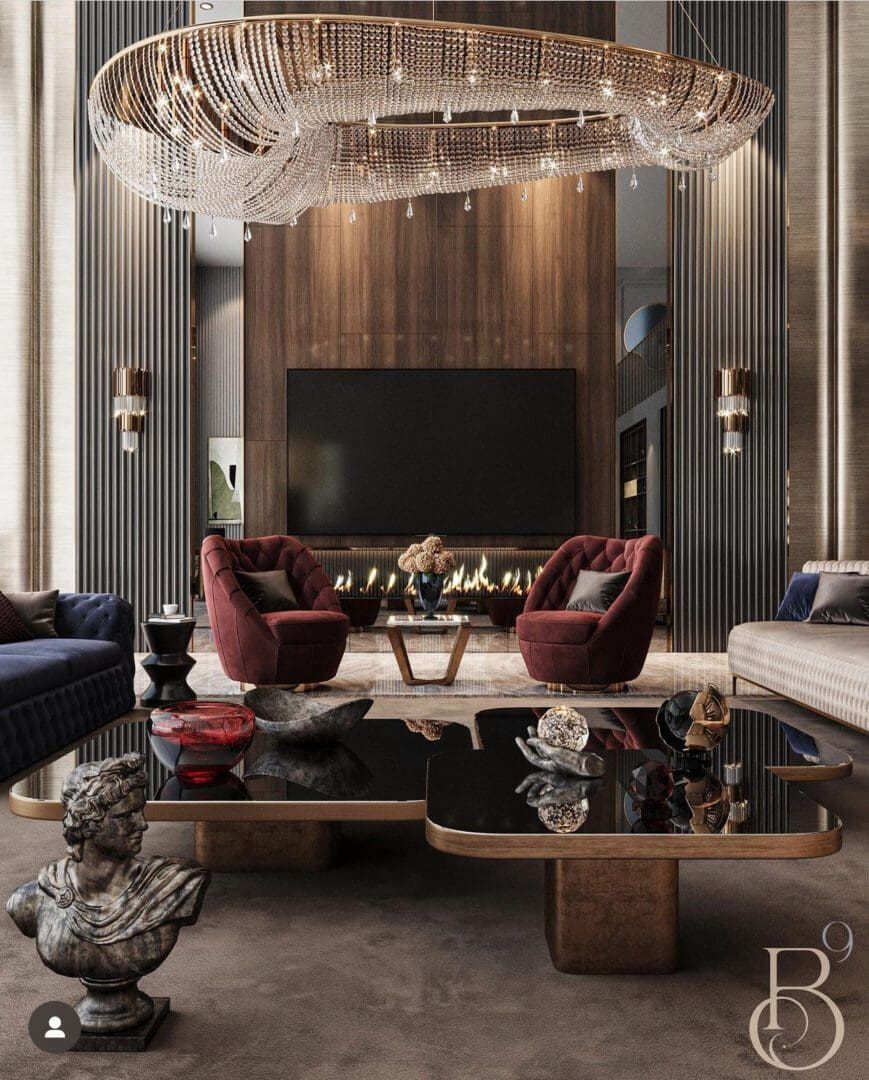
Humans evolved in a constant electrical relationship with the earth. Modern interiors lifted us off it.
Grounding is not a trend. It is a structural correction.
Integrated conductor grids — copper, silver, or gold — embedded discreetly beneath stone, wood, or flooring. These materials belong not as ornament, but as infrastructure.
Air Is the Most Critical Material
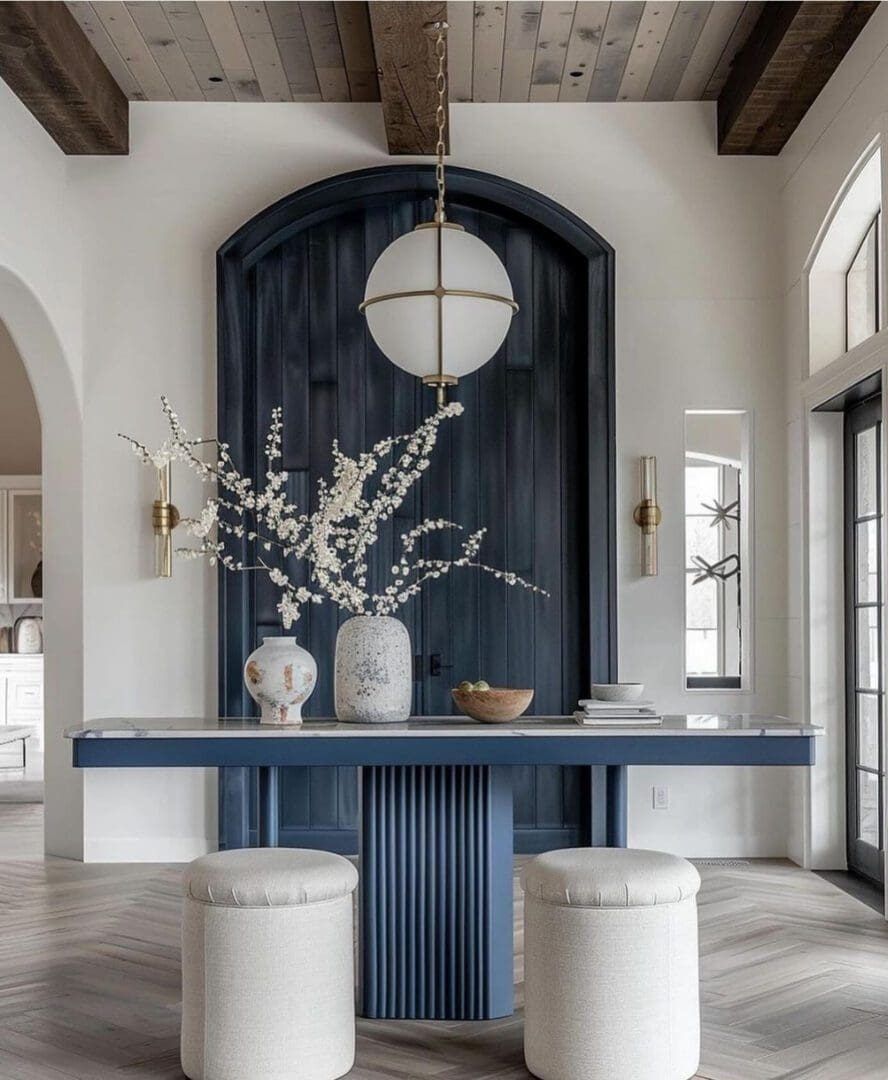
Air is the primary material in any interior and the most neglected. Oxygenation. Ozonation. Hydrogenation. These are not wellness upgrades. They are baseline requirements.
A properly designed home continuously moves, filters, purifies, and renews the air. Salt integration, mineral surfaces, and passive purification methods reinforce what machines alone cannot.
Nature solved this centuries ago. We simply stopped listening.
Materials That Participate
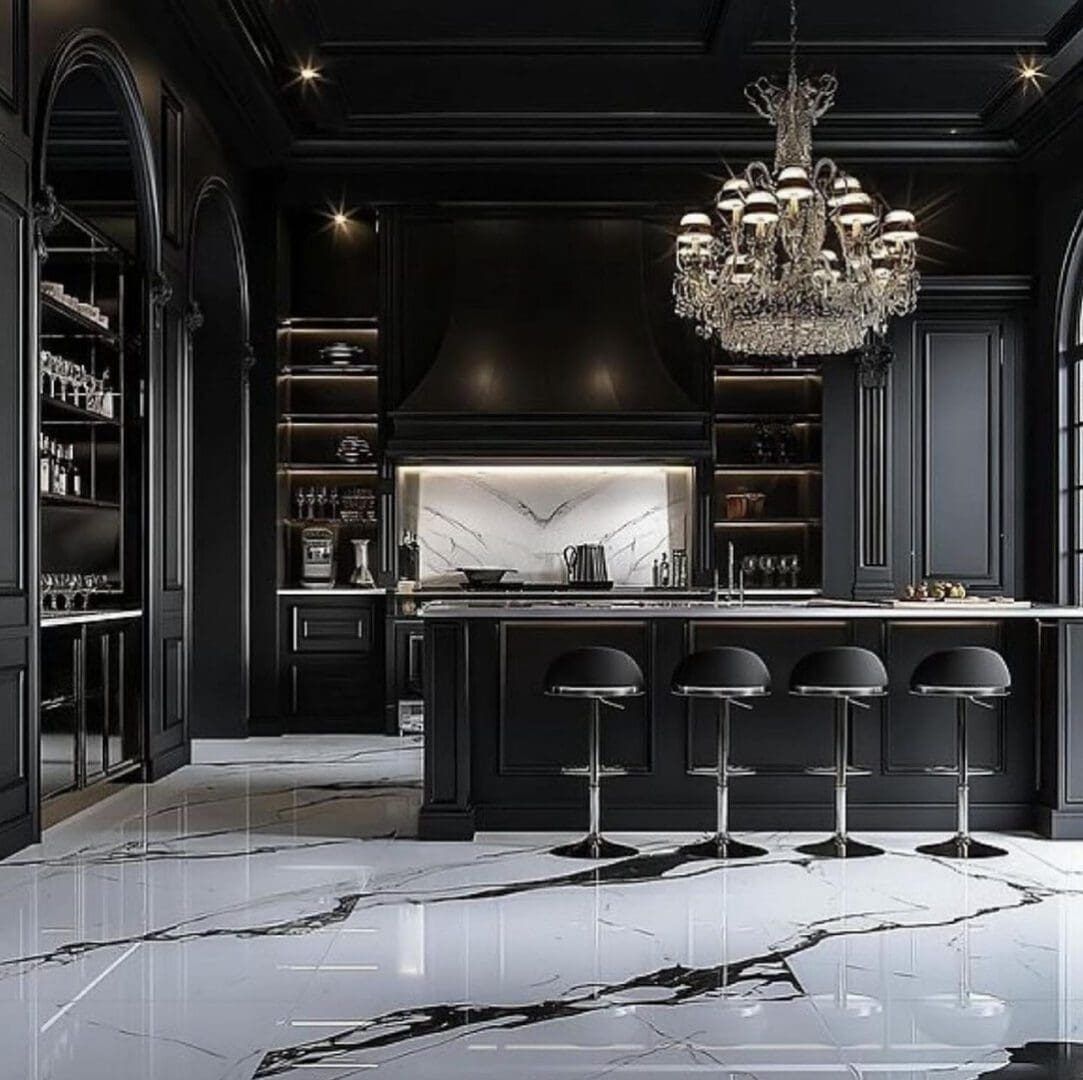
Every material either supports or degrades the biological field. Specification is not aesthetic preference. It is environmental responsibility.
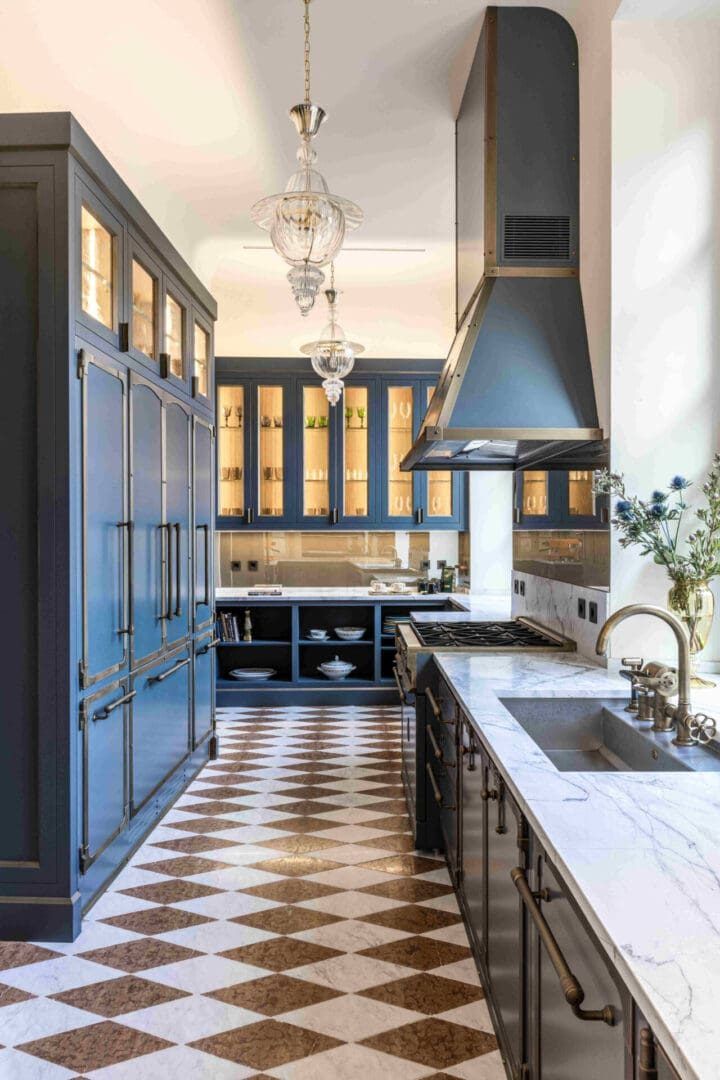
Stone & Clay
Natural stone and clay plaster stabilise temperature, regulate humidity, and provide acoustic mass. They carry thermal inertia that synthetic surfaces cannot replicate. Stone does not off-gas. Clay breathes.
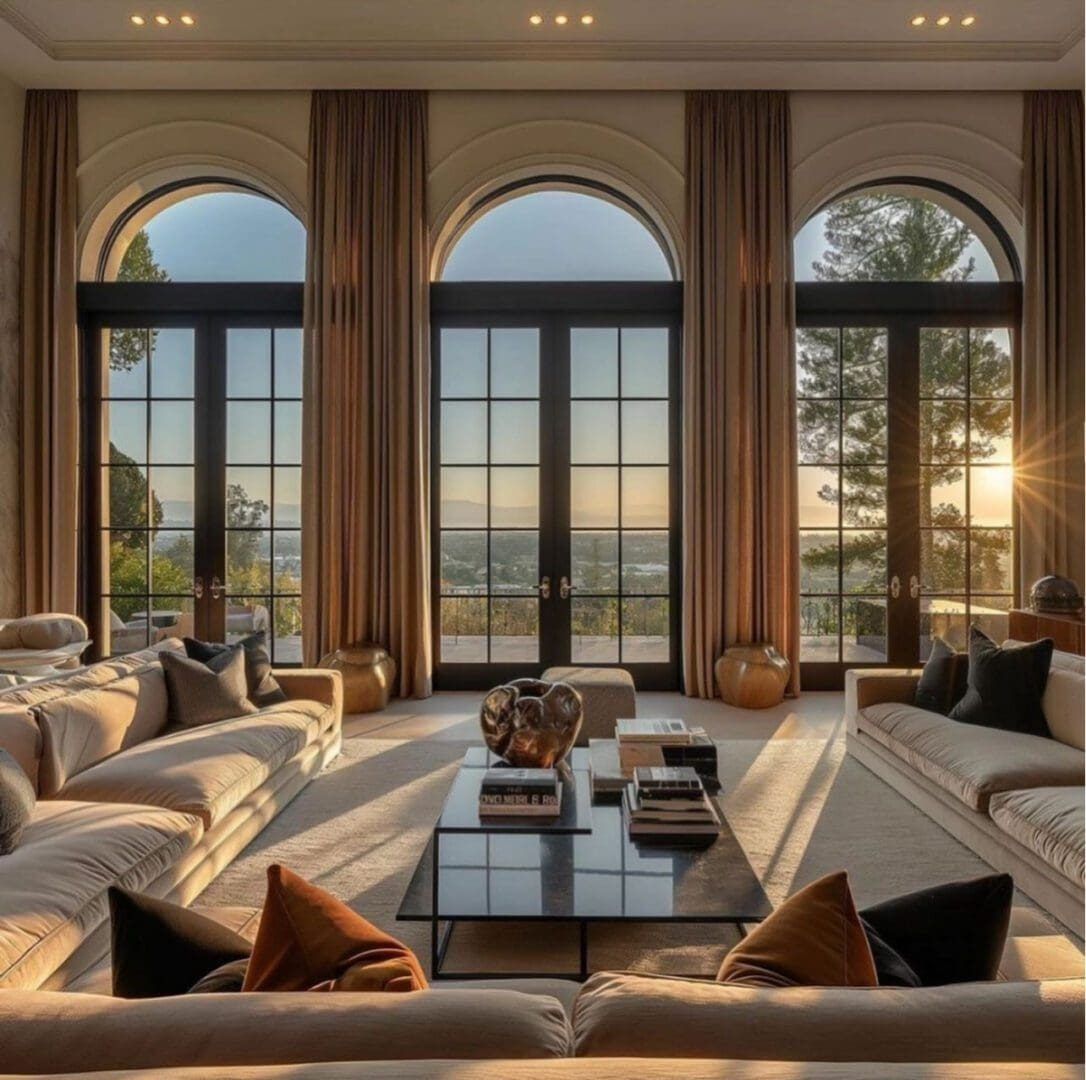
Natural Fibers
Wool, linen, silk, and cotton regulate moisture and soften acoustics. They discharge static load and move with the body. They do not shed microplastics into the indoor environment.
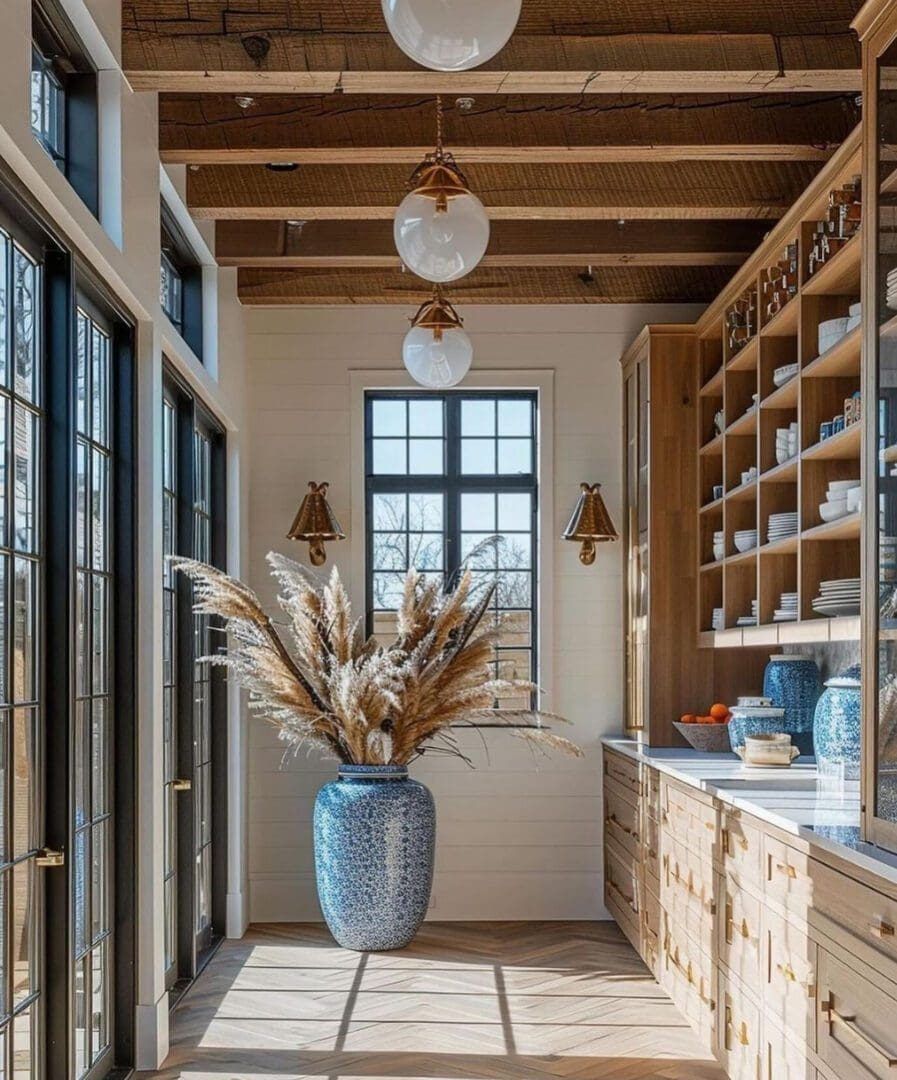
Solid Wood
Solid hardwood moderates humidity, carries visual warmth, and ages with integrity. Unlike composite boards, it does not release formaldehyde over time. It improves with age.
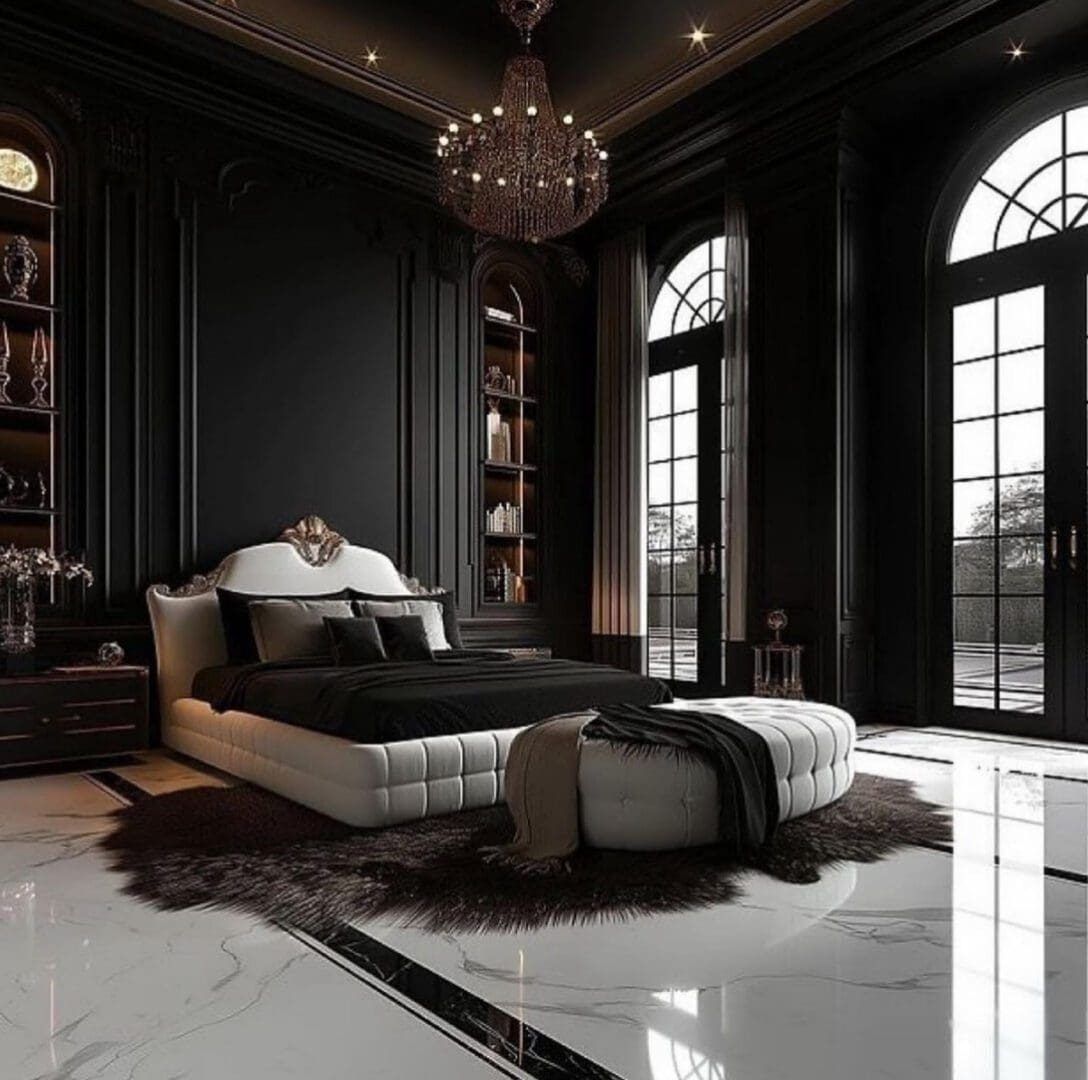
Leather & Silk
Natural leather and silk provide thermal regulation and tactile integrity. They are durable, low-maintenance, and biologically inert — unlike petroleum-derived synthetics that off-gas compounds across their lifespan.
Sanctuary Is Not Optional
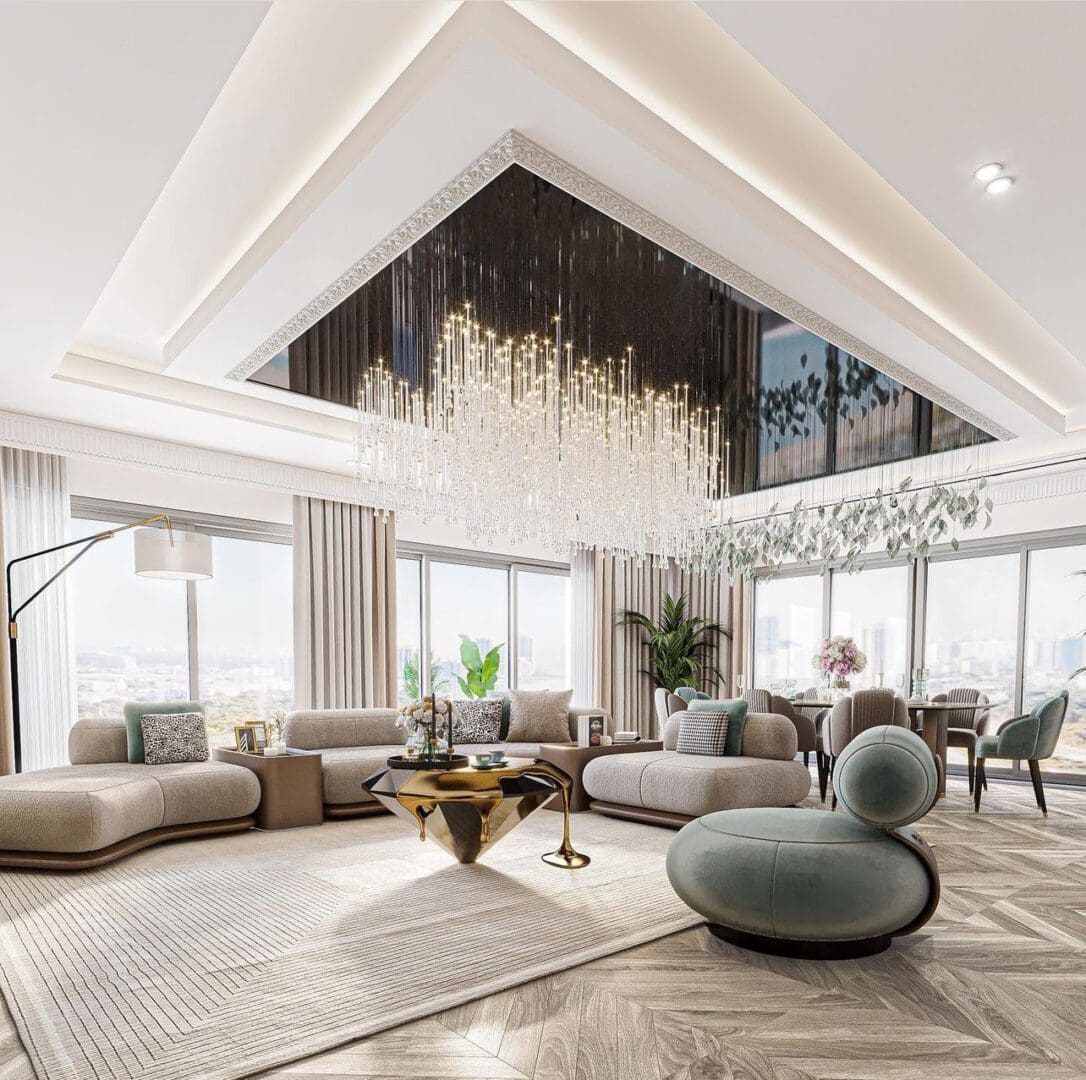
Electromagnetic exposure is no longer rare. It is constant. Bedrooms and recovery spaces should function as complete biological sanctuaries.
Shielded walls. Grounded systems. A bedroom that glows with routers, chargers, and signal bleed is not modern. It is hostile.
Sleep is not negotiable. Recovery is not optional.
Biohacking is not addition. It is subtraction.
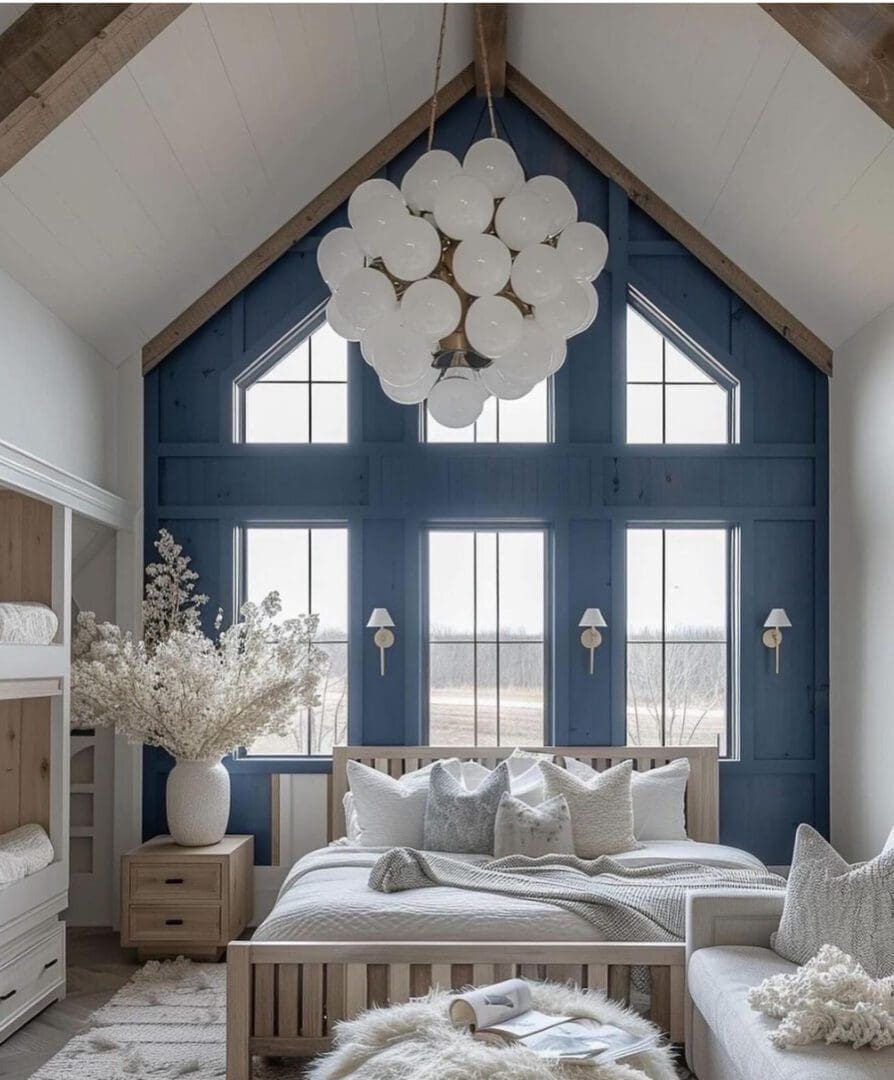
Circadian lighting aligned with the sun. Darkness that is actually dark. Acoustic control. Material honesty.
Remove interference. Remove noise. Remove chemical load. Remove unnecessary stimulation.
What remains is sleep, clarity, and resilience.
Sustainability as Longevity
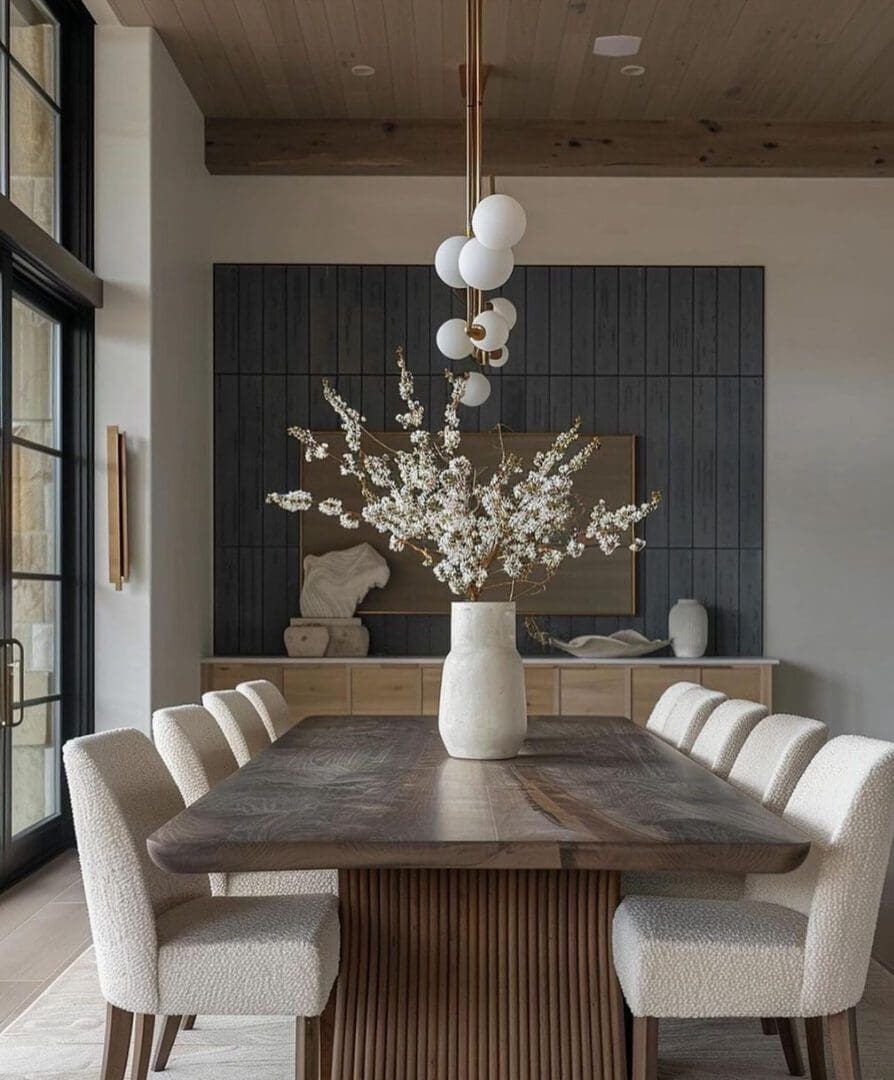
Sustainability is not branding. It is time. The Quiet Luxury selects materials that age rather than degrade, systems that operate for decades.
True sustainability is invisible durability.
Frequently Asked Questions
The most common questions about the Quiet Luxury Framework, wellness interior design, and biohacking principles.
What is quiet luxury interior design?
Quiet luxury interior design is a philosophy that prioritises understated elegance, exceptional craftsmanship, and materials that age with integrity. At Beverly Hills Luxury Interiors, the Quiet Luxury Framework treats the home as a biological field — designing environments that support biology, neutralize modern interference, and create genuine sanctuary.
How does wellness design differ from regular interior design?
Wellness design addresses the physiological impact of the environment — light spectrum, air quality, acoustics, materials, and electromagnetic exposure — before applying aesthetic layers. Regular interior design focuses primarily on visual composition.
What is biohacking in interior design?
Biohacking in design means removing environmental interference rather than adding technology. Circadian lighting, grounded materials, acoustic control, and air quality management are the tools.
How does BHLI incorporate wellness into luxury interiors?
Through The Quiet Luxury Framework — integrated grounding systems, circadian lighting design, air purification infrastructure, natural material specification, and EMF-conscious space planning.
Can wellness design be applied to any type of residence?
Yes. The Quiet Luxury principles apply to any residence — from urban penthouses to private estates. The implementation varies but the biological principles are universal.
Begin a Consultation
The Quiet Luxury Framework is applied in its entirety or by discipline. The conversation begins with understanding your environment.
Begin a ConsultationPrivate Consultation
DESIGN A LEGACY. START HERE.
All consultations are confidential. We respond within 24 hours.